

Important medical warning: The information presented in this article is provided solely for educational and informative purposes. They do not constitute a diagnosis, medical treatment, prescription or personalized medical advice. The devil's claw (Harpagophytum procumbens) may interact with certain medicines and present contraindications. Always consult a qualified health professional before starting any new herbal therapy, especially if you are pregnant, breast-feeding, have children, have chronic diseases, have allergies, plan surgery or are undergoing medical treatment.
Claw of the Devil (Harpagophytum procumbens): Anti-Inflammatory Benefits, Scientific Studies and Precautions in African Physotherapy
Introduction
Knee osteoarthritis is estimated to affect more than 300 million people worldwide, with a steadily increasing prevalence, especially among women aged 40 and over[1]. Side effects of nonsteroidal anti-inflammatory drugs (NSAIDs) — Gastrointestinal disorders, cardiovascular and renal complications — Many people turn to documented natural alternatives[2]. The devil's claw (Harpagophytum procumbens), an emblematic plant of South African pharmacopoeia, is the subject of a renewed scientific interest. Originally from the arid regions of Southern Africa, it has traditionally been used for centuries by the Khoisan people to relieve joint pain, inflammation and digestive disorders[3].
In this full guide, YAHU HEALTH examines the anti-inflammatory and analgesic properties of Harpagophytum procumbens, distinguishes traditional uses from available clinical evidence, and recalls the essential precautions for informed and safe use.
Historical and Botanical Context
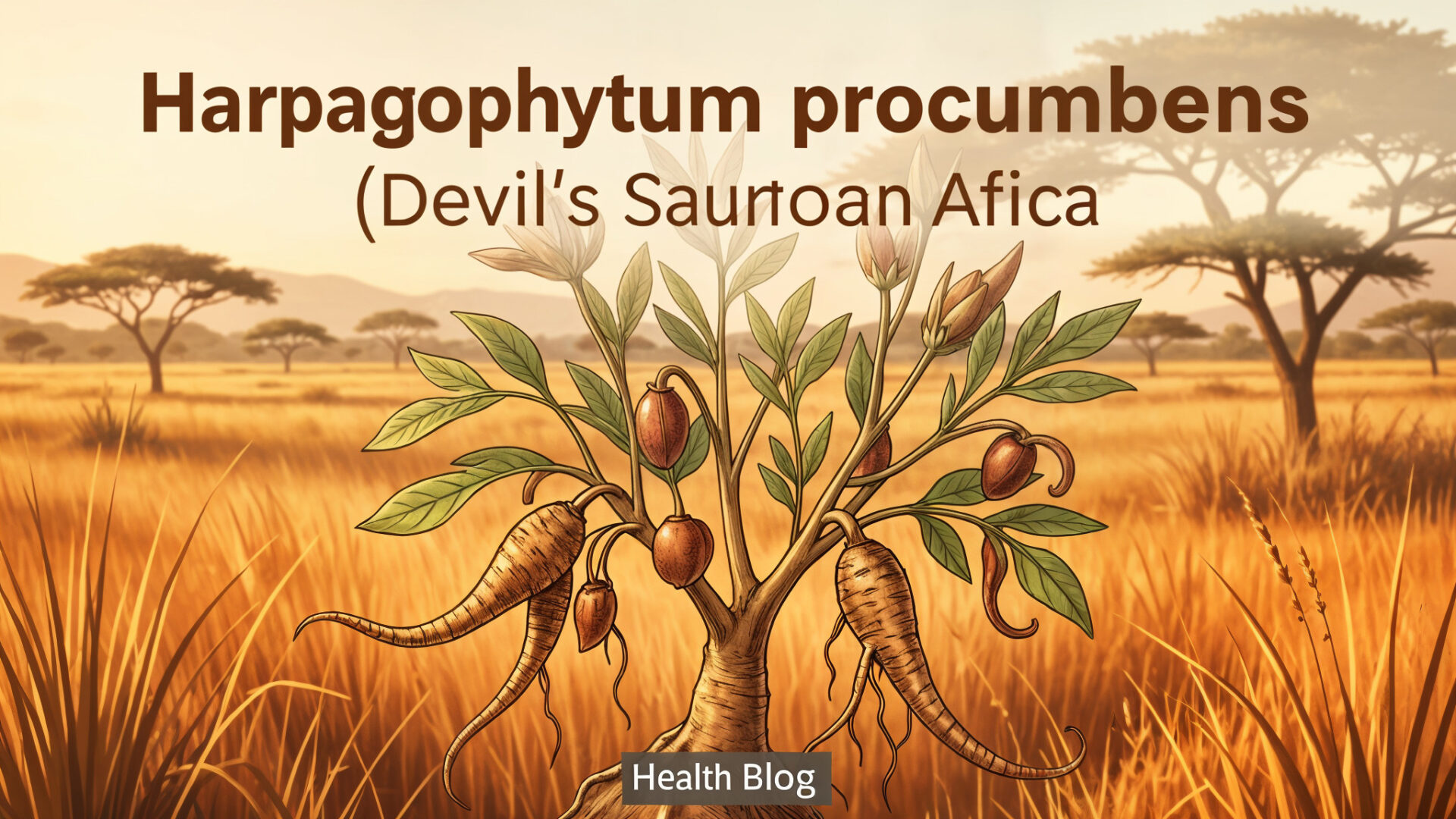
Harpagophytum procumbens (Burch.) DC. ex Meisn. belongs to the Pedaliaceae family. It is a perennial tuberous plant native to southern Africa. — South Africa, Namibia, Botswana, Angola, Zambia, Zimbabwe and Mozambique[3]. Its generic name derives from Greek harpagomeaning « crochet grappling », with reference to its characteristic fruits: woody capsules prolonged by long pointed hooks that cling to the peeling of animals to spread the seeds [3].
The Khoisan peoples, the first inhabitants of southern Africa, traditionally used the secondary tubers of the plant as bitter, anti-inflammatory, febrifying tonic, for menstrual problems, constipation, cough and even syphilitic infections[3]. In the 20th century, tubers were exported to Germany, where the devil's claw became a registered plant protection drug, before winning other markets including France and the United Kingdom[3].
Documented active ingredients and proposed mechanisms
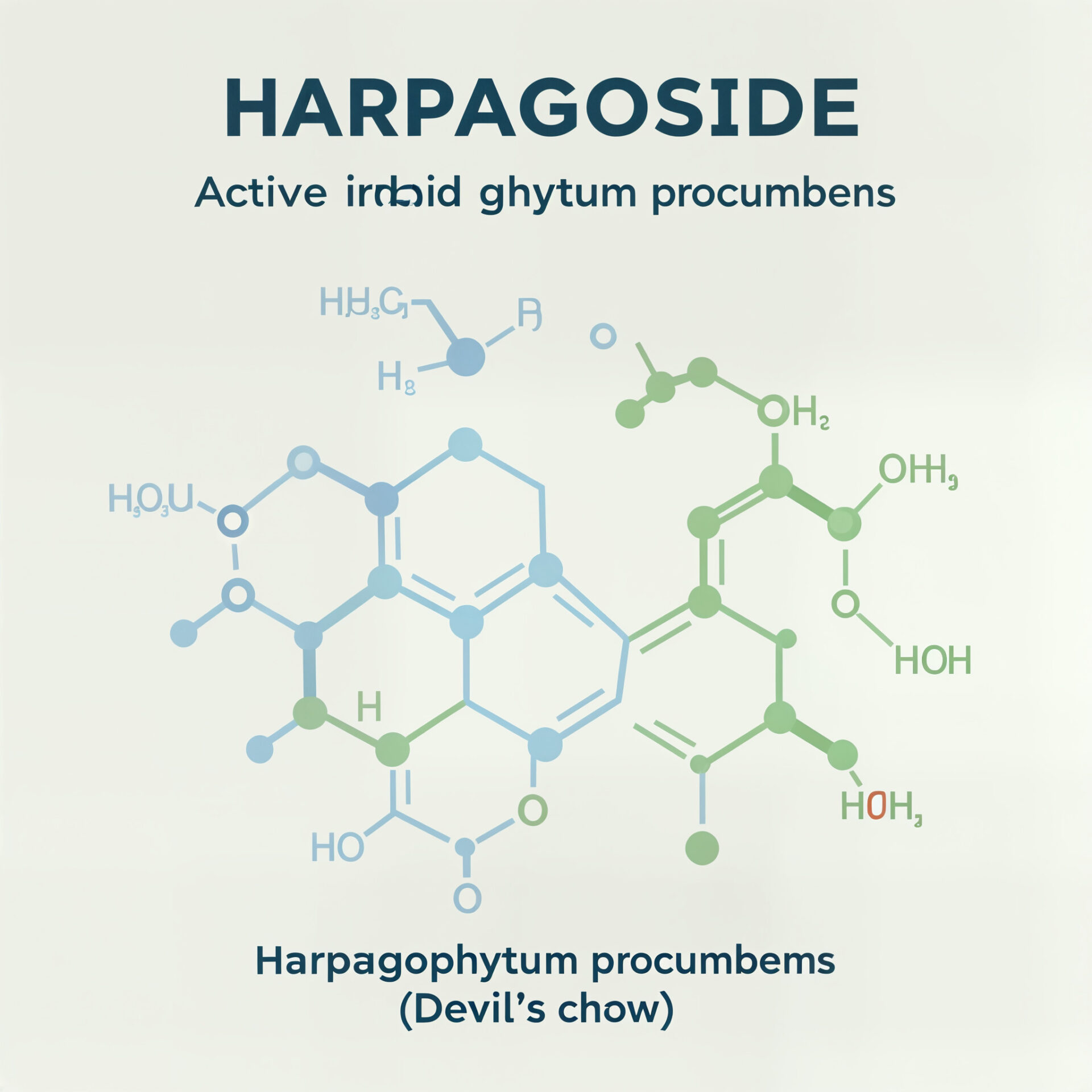
Secondary tubers H. procumbens contain between 0.5 and 3 % of the glycosides iridoids, among which the harpagoside and the harpagide are the most studied[3]. Other bioactive compounds have been identified: phenylethanoides glycosides (verbascoside, actoside), flavonoids (kaempferol, luteolin), phenolic acids (caffeic acid, ferulic acid), plant sterols, and terpenic acids (ursolic acid, oleanolic acid)[3][4].
At the mechanistic level, several pathways of action have been demonstrated in the laboratory:
- COX-2 inhibition: extract from H. procumbens reduced the dose-dependent expression of COX-2 mRNA with anti-inflammatory activity at 100 μg/mL[4].
- Blocking of track AP-1: The activation of the AP-1 transcription factor is prevented by the harpagoside and the harpagide, thereby reducing the production of TNF-α and d的interleukin-6 (IL-6)[4][5].
- CB2 receptor modulation: Some devil claw compounds increase the expression of the cannabinoid type 2 receptor involved in modulation of synovial inflammation [5].
- Inhibition of osteoclastogenesis: l的harpagoside prevents the formation of osteoclasts and bone loss mediated by inflammation via the Syk-Btk-PLCγ2-Ca2+ pathway [5].
Clinical evidence and limitations
Arthritis of the knee
An Iranian randomised clinical trial (2021) compared the efficacy of H. procumbens (Teltonal®, 2 × 480 mg/day for one month) to meloxicam (15 mg/day for ten days) in 30 patients with Kellgren–Lawrence 1 or 2 knee osteoarthritis [6]. Both groups showed significant improvement in VAS (pain), OKS (knee function) and WOMAC (functional capacity) scores over time (p < 0.001). However, no statistical superiority was demonstrated between the two treatments [6]. This study suggests that H. procumbens may be an alternative to NSAIDs for patients who do not tolerate NSAIDs, subject to longer duration of treatment and placebo arm studies [6].
Lumbar and joint pain
A systematic review of 2008 including 28 clinical trials concluded that H. procumbens in joint and spinal pain[7]. A study by Wegner et al. of 75 patients with hip and knee osteoarthritis reported a 22.9% reduction in overall WOMAC score, 23.8% in pain, and 23.1% in functional restrictions after 12 weeks of treatment [6].
Limitations of evidence
Despite an impressive body of science since the 1800s, several gaps persist:
- Most clinical studies are small and short-lived[3][5].
- The chemical composition varies according to geographical origin, harvest conditions and part of the plant used, which completes the comparison between tests[3].
- Studies in vivo Long-term human safety and efficacy are still required in the medium and long term[3][5].
- The oral bioavailability of the harpagoside is limited by rapid metabolism; advanced formulations (nanoparticles, phospholipid complexes) are being studied [5].
Traditional and common uses
In Southern Africa's traditions, secondary devil claw tubers are dried, sliced and powdered. The powder is then used:
- Infusion: 1 to 2 g of powder in hot water, traditionally consumed two to three times a day [3].
- In decoction: cold maceration or prolonged boiling to extract bitter principles [3].
- In topical use: powder mixed with animal fat or vaseline to form an ointment applied to muscle and joint pain[3].
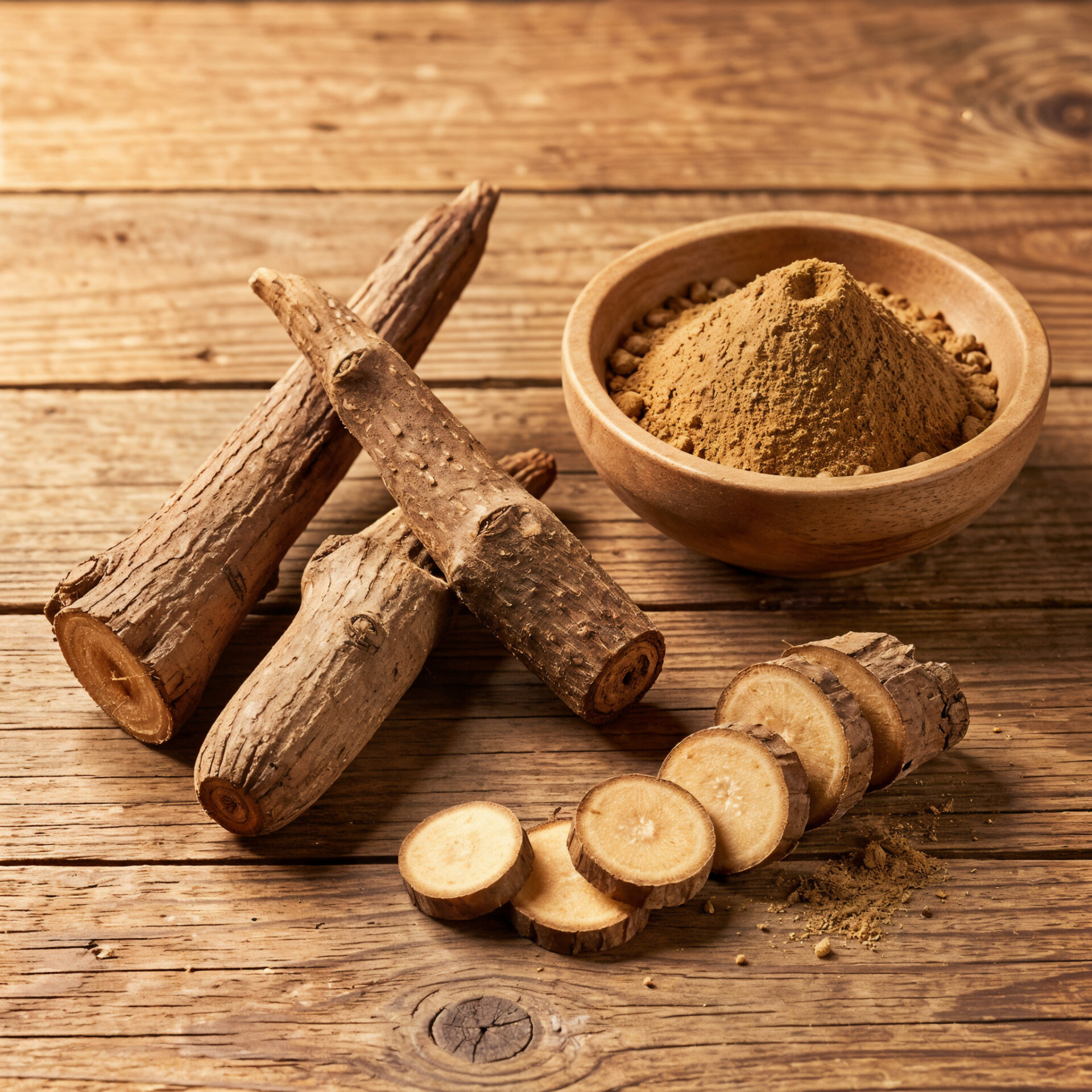
These preparations are traditionally intended to relieve joint pain, stiffness, digestive problems and general fatigue. It is important to note that these uses are based on empirical transmissions and are not validated therapeutic recommendations[3].

Precautions, contraindications and interactions
The devil's claw is not without risk. Several precautions should be observed:
- Pregnancy and lactation: studies in mice showed high-dose teratogenic potential (600 mg/kg) with renal, hepatic and pulmonary foetal necrosis [3]. Use is not recommended [3].
- Children: no sufficient safety data; use is not recommended [3].
- Chronic diseases: diabetes (possibly hypoglycaemia), high blood pressure (a case of induced systemic hypertension has been reported), severe heart, kidney or liver disease[3].
- Drug interactions: risk of interaction with anticoagulants (warfarin, ticklopidine), NSAIDs, immunosuppressants and treatments for diabetes or hypertension[3][5].
- Allergies: Avoid known allergy to plants in the Pedaliaceae family[3].
- Scheduled surgery: stop use at least two weeks before intervention due to potential antiplatelet properties [5].
- Product quality: species H. zeyheri is sometimes substituted for H. procumbens and contains less d的harpagoside, reducing expected efficacy[3][5]. Quality controls by DNA and chromatography are recommended [5].
Practical advice
If you are planning to use a devil's claw supplement, prefer standardized products containing 50 to 100 mg ofharpagoside per dose, with verified botanical traceability [5]. Clinical studies generally use standard dry extracts or tuber powders of 2.6 g per day [5].
Keep preparations away from light and moisture. Follow the short treatment periods (a few weeks) and do not exceed the doses studied without medical advice. Maintain regular medical follow-up, especially if you are taking other treatments.
FAQ — Devil's claw (Harpagophytum procumbens)
Q: Can the devil's claw replace conventional anti-inflammatory drugs?
A: No. Clinical trials showed a similar improvement to NSAIDs in the short term for mild to moderate knee osteoarthritis, but no superiority was demonstrated. It may be considered as a supplement or alternative in patients who do not tolerate NSAIDs under medical supervision [6].
Q: What is the recommended duration of treatment?
A: Clinical studies are for 1 to 12 weeks. No long-term safety data are available. Do not prolong without medical advice[3][5][6].
Q: Is the devil's claw safe?
A: It is generally well tolerated at the doses studied, but gastrointestinal adverse reactions (nausea, gastric fullness) have been reported. Interactions and contraindications exist, particularly in pregnant women and patients on anticoagulants[3][5].
Q: Can we use it for back pain?
A: Trials suggest a 50% to 70% reduction in pain after three weeks in some studies, but the results remain preliminary and variable according to the formulations [6].
Q: How to check the quality of a supplement?
A: Choose products standardized to harpagoside (50–100 mg/dose), with certificates of analysis and clear botanical identification. Barcode DNA checks are a guarantee of quality against adulteration[5].
Conclusion
The devil's claw (Harpagophytum procumbens) is one of the best documented African medicinal plants, with anti-inflammatory and analgesic properties supported by preclinical studies and several clinical trials. Its active ingredients, including l-harpagoside, modulate key pathways of inflammation and pain. However, clinical evidence remains limited in duration and effectiveness, and the variability of commercial preparations is an obstacle to a general recommendation.
Respecting traditional Khoisan knowledge does not mean ignoring scientific uncertainties. Devil's claw does not replace conventional medical treatment and is not suitable for all patient profiles. Discussion with a health care professional remains essential before any use.
Sources
[1] Gxaba N., Manganyi M.C. The Fight against Infection and Pain: Devils Claw (Harpagophytum procumbens) a Rich Source of Anti-Inflammatory Activity: 2011–2022. Molecules. 2022;27(11):3637. doi: 10.3390/molecules27113637. Accessed August 15, 2026.
[2] Bindu S., Mazumder S., Bandyopadhyay U. Non-steroidal anti-inflammatory drugs (NSAIDs) and organ damage: A current perspective. Biochem. Pharmaco. 2020;180:114147. doi: 10.116/d.bcp.2020.114147. Accessed August 15, 2026.
[3] Brendler T. From Bush Medicine to Modern Phytopharmaceutical: A Bibliographic Review of Devils Claw (Harpagophytum spp.). Pharmaceuticals. 2021;14(8):726. doi: 10.3390/ph14080726. Accessed August 15, 2026.
[4] Fiebich B., Muñoz E., Rose T., Weiss G., McGregor G. Molecular Targets of the Anti-inflammatory Harpagophytum procumbens (Devil) claw: Inhibition of TNFα and COX-2 Gene Expression by Preventing Activation of AP-1. Phytother. Res. 2011;26:806–811. doi: 10.1002/ptr.3636. Accessed August 15, 2026.
[5] Kaura H., Kumar D., Gauttam V.K., et al. Decoding the mechanical landscape of harpagoside: From molecular targets to translational pharmacology. Fitoterapia. 2026;188:107029. doi: 10.116/j.fitote.2025.107029. Accessed August 15, 2026.
[6] Farpour H.R., Rajabi N., Ebrahimi B. The Efficiency of Harpagophytum procumbens (Teltonal) in Patients with Knee Osteoarthritis: A Randomized Active-Controlled Clinical Trial. Evid Based Complement Alternative Med. 2021;2021:5596892. doi: 10.1155/2021/5596892. Accessed August 15, 2026.
[7] Brien S., Lewith G., McGregor G. Devils Claw (Harpagophytum procumbens) as a treatment for osteoarthritis: a review of effectiveness and safety. J. Rheumatol. 2006;33(5):956–964. doi: 10.3899/jrheum.050935. Accessed August 15, 2026.
About the author
Content written by the YAHU HEALTH editorial team from verified institutional scientific sources (PMC/MDPI, NIH, universities).
Legal information
YAHU HEALTH is an educational platform dedicated to natural well-being and African herbal medicine. The information published does not replace a professional medical opinion. Food supplements and medicinal plants are not medicines; Their composition and effects vary according to dose, preparation and individual profile. If in doubt, consult a doctor, pharmacist or a qualified plant therapist.

