Medical Warning: The information in this article is educational and informative only. They do not replace the opinion of a healthcare professional. For any health problem, consult a natural health practitioner or a qualified physician.
Did you know that high blood pressure is often called the « silent killer » ? Worldwide, and particularly in sub-Saharan Africa, it is one of the main risk factors for chronic renal failure. The link is direct: when blood pressure is too high, it damages the small blood vessels of the kidneys, gradually reducing their ability to filter waste from our body. It is a vicious circle, because sick kidneys can, in turn, aggravate hypertension.
Faced with this challenge, African pharmacopoeia offers treasures of knowledge. For millennia, our ancestors have been using roots, bark and leaves to regulate tension and protect vital organs. Today, science is beginning to validate these traditional uses. In this article, we will explore together how African herbal medicine and natural health can help you protect your kidney function while stabilizing your blood pressure.
Understanding the link between hypertension and renal health
To understand the importance of natural complementary treatment, the kidney must be seen as an ultra-perfect treatment plant. It filters blood to eliminate toxins via urine. However, this system is based on extremely fragile capillaries. Hypertension acts as a water jet too powerful in a pipe too thin: over time, the walls thicken, stiffen and eventually break or clog.
Historically, traditional African medicine has always treated the body as a whole. We weren't treating. « kidney » or « heart » In isolation, however, an attempt was made to restore the body's overall balance. This holistic approach is now rediscovered by modern medicine. Recent scientific recognition shows that some active ingredients in local plants have diuretic and vasodilator properties, which are essential to relieve pressure on nephrons (the kidney filter units).
Adopting a natural welfare approach does not mean rejecting conventional medicine, but enriching it. By using validated natural remedies, you can support your organs and improve your quality of life on a daily basis.
The plants pillars of African herbal therapy for kidneys and tension
Nature offers us powerful solutions to fight hypertension and protect the kidneys. Here is a selection of iconic plants, used in several parts of Africa, for their protective virtues.
Hibiscus Sabdariffa (Bissap): Cardiovascular Protector
Originally from West Africa, Hibiscus, whose red chalices are used, is much more than a refreshing drink. He is a true ally for those who suffer from mild to moderate hypertension.
Mechanisms of action: The dihibiscus calyxes are rich in anthocyanins and flavonoids. These compounds act as natural inhibitors of the enzyme for the conversion of l By dilating the blood vessels, the hibiscus reduces blood pressure and, by extension, reduces the kidney workload.
Traditional use and preparation: Infusion. Boil with water, then let infuse a handful of dried calyxes for 10 minutes. Eat it without sugar to avoid adding a glycemic load to your kidneys.
Cautions: Due to its diuretic effect, avoid excessive consumption if you are already taking strong diuretics. Consult your doctor to avoid too sudden a drop in tension (hypotension).
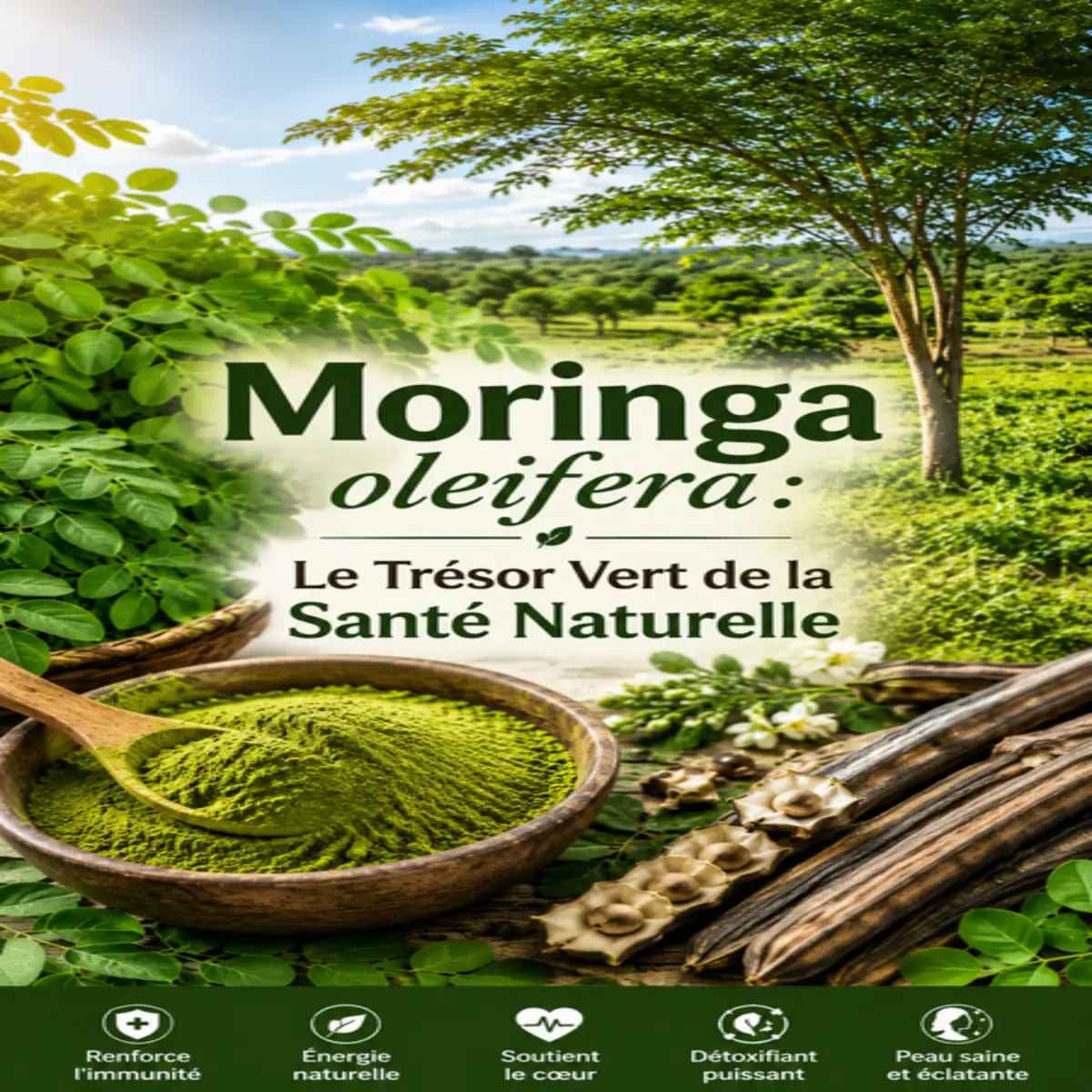
The Moringa Oleifera: The « superfood » kidney
The Moringa, nicknamed « miracle tree »is widespread in Africa and Asia. Its leaves are a nutritional gold mine to support renal function.
Mechanisms of action: Moringa has marked antioxidant and anti-inflammatory properties. It helps to reduce oxidative stress in kidney tissues, thereby limiting the damage caused by hypertension. In addition, its potassium richness helps to balance sodium in the body, promoting the elimination of excess water.
Traditional use and preparation: The leaves can be eaten fresh in salad, cooked like spinach, or reduced to powder. For therapeutic support, a teaspoon of Moringa powder in a glass of water or a daily smoothie is recommended.
Cautions: Moringa is rich in potassium. For people with severe renal impairment (advanced stage), too high potassium intake may be dangerous. Medical monitoring is essential here.
Desmodium Adscendens: The urinary tract specialist
Desmodium is widely used in Central and West Africa and is the reference plant for « clean » and treat urinary infections related to fluid stagnation.
Mechanisms of action: This plant acts mainly as a mild diuretic and an anti-inflammatory urinary tract. It facilitates the evacuation of toxins and reduces oedema (swelling) often associated with renal function weakened by hypertension.
Traditional use and preparation: The leaves are mainly used for decoction. Boil 5 to 10 grams of dried leaves in a litre of water for 15 minutes. Drink two cups a day, away from meals.
Cautions: Do not use during pregnancy without medical advice. Avoid prolonged use without interruption to avoid exhausting the body's mineral reserves.
Kinkeliba (Combretum micranthum): The traditional purifier
Kinkeliba is one of the most respected plants in West Africa for its detoxifying and digestive properties, but its impact on renal health is major.
Mechanisms of action: Kinkeliba promotes renal elimination of metabolic waste. By slightly stimulating the diuresis, it helps the body to evacuate excess sodium, which naturally helps to lower systolic blood pressure.
Traditional use and preparation: Infusion of dried leaves. It is often the morning drink for « Wake up » organs. Let the leaves infuse in hot water for 10 minutes.
Cautions: As with any diuretic, make sure to drink enough pure water throughout the day to avoid dehydration.
Summary of plants and their effects
To help you see more clearly, here is a summary of the natural remedies discussed:
| Plant | Main action | Target | Consumption |
|---|---|---|---|
| Hibiscus | Vasodilator / Hypotensive | Blood pressure | Infusion (without sugar) |
| Moringa | Antioxidant / Nutrient | Kidney fabrics | Powder or cooked leaves |
| Desmodium | Diuretic / Anti-inflammatory | Urinary use | Sheet decoction |
| Kinkeliba | Detoxifier / Diuretic | Renal filtration | Infusion |
Practical tips for integrating herbal therapy into your daily life
Moving to a natural health approach requires method and patience. To protect your kidneys and regulate your blood pressure, herbal therapy should not be seen as a treatment « shock », but as a lasting accompaniment.
Where to buy these plants? Favour local markets where plants are sold fresh or dried naturally. If you buy powders (such as Moringa), make sure they come from certified sources, without additives or chemical preservatives. Storage must be done in sealed containers, sheltered from light and moisture to preserve the active ingredients.
Feeding: the essential complement. No plant can compensate for too salty a diet. Reduce the table salt drastically and replace it with natural spices (garlic, onion, pepper). Increase your consumption of pure water, as good hydration is the first remedy to relieve your kidneys.
Medical follow-up. This is the most important point. If you are already taking medicines for hypertension (such as beta blockers or calcium blockers), some plants may amplify the effect of the medicine and cause hypotension. Note everything you consume and share it with your doctor during your check-ups.
FAQ: Your questions about hypertension and kidneys
Can we replace his antihypertensive drugs with plants?
Absolutely not without your doctor's advice. Plants are excellent supporters and can, in some cases, help the doctor to gradually reduce your doses, but abrupt discontinuation of treatment may cause a « rebound effect » dangerous for the heart and kidneys.
What is the best plant to clean the kidneys quickly?
Kinkeliba and Desmodium are very effective for purification. However, « cleaning » is pictured: plants help the kidney to function better, they do not « wash » Not the organ. Regularity is more important than speed.
Is the hibiscus safe for everyone?
The hibiscus is generally safe. However, because of its acidity and its effect on tension, people with severe hypotension or significant gastritis should be cautious.
How do I know if my kidneys are affected by my blood pressure?
There may be signs of swelling of the ankles (edema), unusual fatigue, sparkling urine or changes in the frequency of urination. The only sure way is to perform a blood test (creatinine) and a urine test prescribed by a professional.
Can Moringa be dangerous for the kidneys?
On the contrary, it is protective for the majority. But be careful: in case of end-stage renal failure, the high potassium level of Moringa may become problematic. Always ask the opinion of a nephrologist in this particular case.
Conclusion: Towards harmony between nature and science
Protecting his kidney function from hypertension is a fight of every moment, but it's a fight you can win. By combining rigorous hygiene, serious medical follow-up and the richness of traditional African medicine, you give your body the means to regenerate. Lihiscus, moringa, kinkeliba and desmodium are all gifts of nature to support your natural well-being.
We strongly encourage you to explore these remedies, while remaining careful and escucha your body. Health is a fragile balance that requires kindness and patience. Have you ever used one of these plants? What are your grandma tips for regulating tension? Share your feedback experiences and share this article to help your loved ones take care of their kidneys!
Sources:
1. World Health Organization (WHO) – Reports on traditional African pharmacopoeia and the management of non-communicable diseases.
2. INSERM – Studies on mechanisms of chronic renal failure related to hypertension.
3. ANSES – Evaluations of the safety of diuretic and hypotensive plants.
4. African Journal of Traditional, Complementary and Alternative Medicines (AJTCAM) – Clinical studies on the effects of Hibiscus sabdariffa on blood pressure (studies 2010-2020).
About the author: YAHU HEALTH is a structure of advice and intervention in natural health and herbal therapy founded in 2018 in Abidjan. We commit ourselves to promoting the wealth of African flora for the well-being of all. We offer personalized accompaniment and wellness services in Abidjan as well as in several cities in Ivory Coast.
Legal mention: This content is strictly informative and educational. It has no prescriptive purpose. The use of medicinal plants must be subject to prior consultation with a natural health professional or a qualified doctor.