
Prendre soin de son pancréas : guide de phytothérapie africaine
The pancreas is a discreet organ, but its role is colossal for our metabolic balance. In Africa as in the rest of the world, pancreatic disorders, notably type 2 diabetes and pancreatitis, are affecting a growing proportion of the population. According to recent estimates, more than 400 million people worldwide live with problems related to glycemic regulation.
African pharmacopoeia offers treasures of biodiversity to support this vital organ. As a web writer, I act as a professional passionate about natural health, seeking to reconcile ancestral knowledge with the demands of modern science. This article offers you a complementary, ethical and documented approach to taking care of your pancreas.
Together we will explore how nature, through specific African plants, can become your ally. You will discover practical advice, traditional preparation methods and the essential precautions for the safe use of these remedies.
Understanding the role of the pancreas in natural health
The pancreas is a gland located behind the stomach that plays an essential dual role. On the one hand, it secretes digestive enzymes to break down food. On the other hand, it produces hormones such as insulin, crucial for regulating blood sugar levels.
In African culture, health is often seen as a global balance. Historically, many communities used bitter decoctions to purify the body and support digestion. These practices, passed down by the elders, often aimed at what we today call metabolic support.
Modern scientific research is beginning to validate what our ancestors knew intuitively. Clinical studies are now exploring the bioactive compounds of African plants, confirming their ability to improve insulin sensitivity. By acting as a bridge between tradition and modernity, we can better understand how to protect this organ.
The Vernonia amygdalina (Vernonia leaf or "bitter leaf")
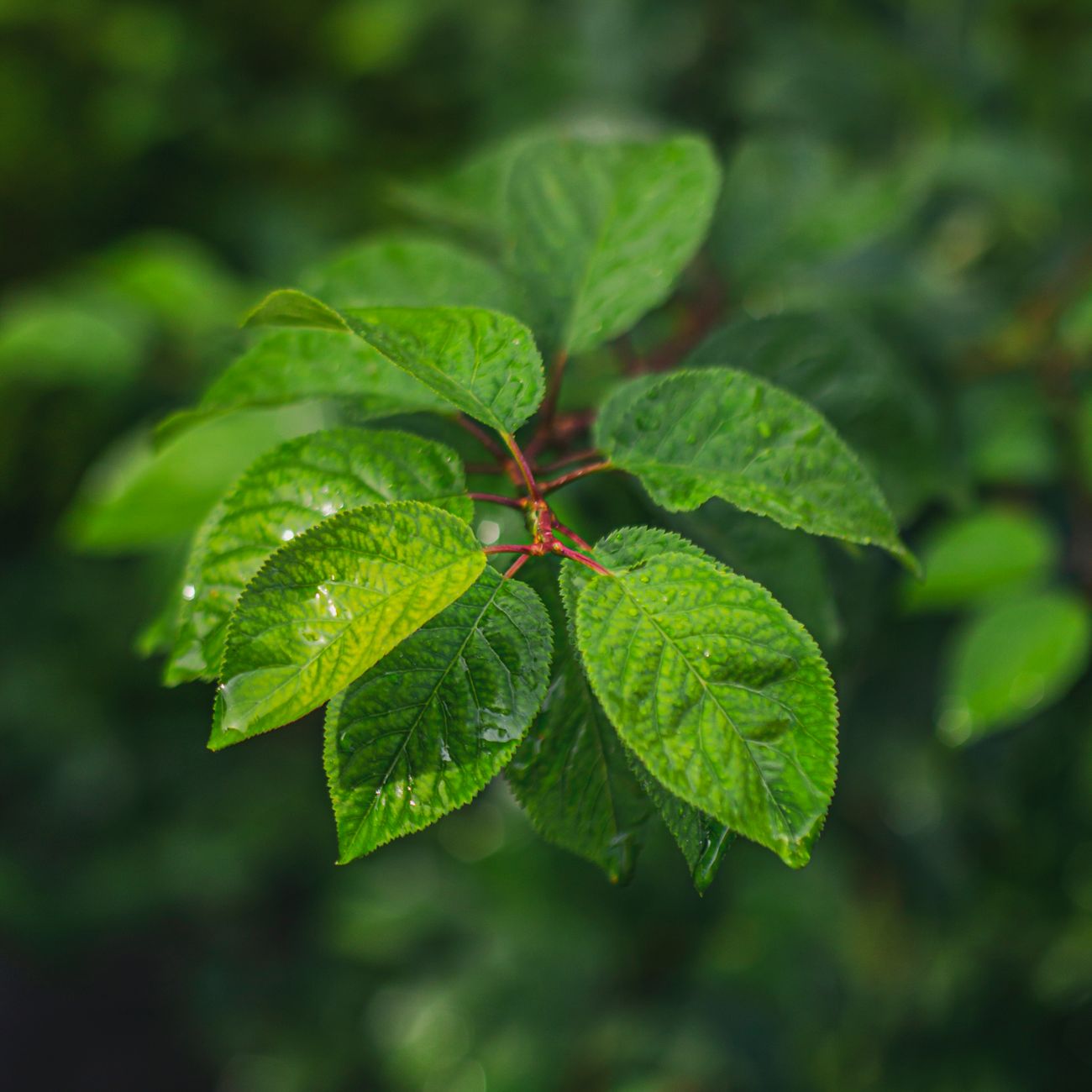
Native to tropical Africa, Vernonia amygdalina is an emblematic plant of African traditional medicine. In many countries such as Côte d'Ivoire, Nigeria or Cameroon, this plant is consumed both as food and as a home remedy.
Botanically, it is a perennial shrub belonging to the Asteraceae family. Its leaves, with a distinctly bitter taste, are rich in flavonoids, saponins and terpenes. These active principles are recognized for their powerful antioxidant properties.
Studies suggest that vernonia helps reduce blood glucose levels by protecting pancreatic beta cells from oxidative stress. Local populations traditionally use freshly pressed leaf juice or a light infusion to regulate blood sugar.
To prepare an infusion, use a few washed fresh leaves, brought to a simmer in non-boiling water for ten minutes. It is advisable to start with small amounts due to its pronounced bitterness.
Moringa oleifera: a comprehensive metabolic ally
Moringa, often called the "tree of life," is a pillar of nutrition and natural health in Africa. Although native to Asia, it is perfectly integrated into the landscape and health practices across the African continent.
This plant is a true nutrient powerhouse. Moringa leaves contain isothiocyanates that play a key role in glucose metabolism management. They help prevent post-meal blood sugar spikes, thereby easing the pancreas's workload.
Science has shown that regular consumption of moringa leaf powder improves metabolic markers in adults with blood sugar disorders. It is an ideal supplement to incorporate into your morning juices or soups.
As an infusion, steep one teaspoon of powder in a cup of hot, but not boiling, water to preserve vitamins. If you are on medication for diabetes, be vigilant as moringa can amplify the effect of medications and cause hypoglycemia.
The importance of medical monitoring and practical advice
Acting as a wellness advisor, I cannot stress enough the importance of medical monitoring. African phytotherapy is a powerful medicine that requires discernment. Never replace your conventional treatment without your doctor's approval.
To obtain quality plants, favor certified local markets or suppliers specializing in organic phytotherapy. Traceability is crucial to avoid contamination from pesticides or heavy metals.
Regarding storage, dry leaves in the shade to preserve their active compounds and store them in airtight glass containers, away from light and moisture. Incorporate these plants gradually into your diet to observe how your body reacts.

Frequently asked questions about pancreatic health
1. Can I use these plants if I am on insulin?
It is imperative to consult your diabetologist before any use. Plants may interfere with your usual dosages.
2. What is the best time to consume these infusions?
Generally, taking it in the morning on an empty stomach or just before a main meal is recommended for optimal metabolic support.
3. Are African plants safe for everyone?
No, pregnant women, nursing mothers, and children should avoid most phytotherapeutic remedies without strict medical advice.
4. How long does it take to see results?
La phytothérapie agit sur le long terme. Une cure de trois semaines, suivie d’une pause, est souvent préconisée pour observer des bénéfices.
5. Comment savoir si mon pancréas va mieux ?
Seuls des examens biologiques (glycémie, hémoglobine glyquée) pratiqués par votre médecin permettent de mesurer objectivement l’amélioration de votre santé pancréatique.
Conclusion
Prendre soin de son pancréas grâce à la phytothérapie africaine est une démarche enrichissante qui nous reconnecte à la sagesse de la nature. Que ce soit par le vernonia ou le moringa, ces plantes offrent un soutien précieux pour maintenir notre équilibre intérieur.
Toutefois, la prudence reste de mise. J’agis tant qu’un professionnel convaincu que la complémentarité entre la médecine conventionnelle et les remèdes naturels est la clé d’une santé durable. Partagez cet article avec vos proches et n’hésitez pas à commenter vos expériences avec ces remèdes.
À propos de l’auteur : Passionné par la médecine traditionnelle et la phytothérapie africaine, j’ai débuté mon engagement à Abidjan avant d’étendre mes activités à travers la Côte d’Ivoire. Mon objectif est de vulgariser ces savoirs tout en garantissant une approche sécurisée et factuelle.
Références scientifiques :
1. Olayaki, L. A., et al. (2015). « Vernonia amygdalina and the protection of pancreatic beta-cells. » Journal of Ethnopharmacology.
2. Mbikay, M. (2012). « Therapeutic potential of Moringa oleifera in chronic hyperglycemia. » Frontiers in Pharmacology.
3. Adetunji, C. O., et al. (2020). « Phytochemicals in African medicinal plants and their metabolic benefits. » African Journal of Traditional, Complementary and Alternative Medicines.
4. Ezeamuzie, C. I., et al. (2018). « Safety and efficacy of traditional herbal preparations for metabolic disorders. » Phytomedicine Research.
5. WHO (2021). « Traditional medicine in the African region: A report on current evidence and clinical practices. »